
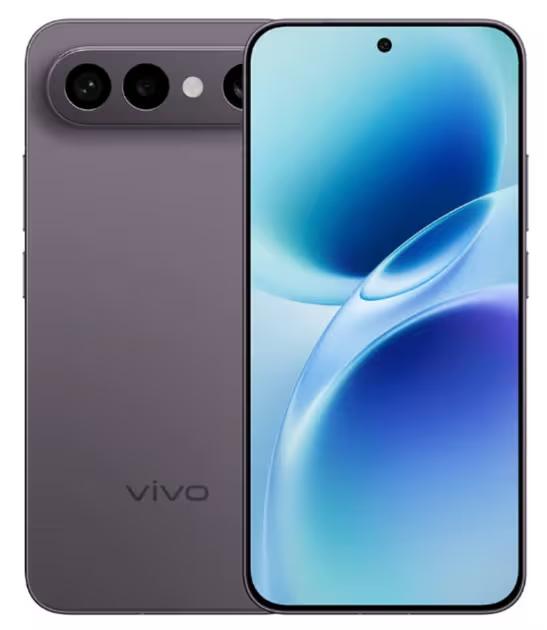

The Vivo X300 FE is aimed at smartphone buyers who want flagship-level performance without carrying a large, heavy phone.
It combines a relatively compact 6.31-inch LTPO AMOLED display, Qualcomm’s Snapdragon 8 Gen 5 processor, a 6,500mAh battery, ZEISS-branded cameras and a premium glass-and-metal design. Vivo has also added IP68 and IP69 protection, fast charging and a long software-support commitment.
For Kenyan buyers, however, the important question isn’t simply whether the specifications look impressive.
The bigger question is whether the X300 FE offers enough practical value to justify spending around KSh 95,000–KSh 97,000 when several other flagship and upper-mid-range smartphones are available in Kenya.
Here’s what you should know before buying it.
Vivo X300 FE Key Specifications
| Feature | Vivo X300 FE |
|---|---|
| Display | 6.31-inch LTPO AMOLED |
| Resolution | 1216 × 2640 |
| Refresh rate | Up to 120Hz |
| Processor | Snapdragon 8 Gen 5 |
| RAM | 12GB |
| Storage | 256GB / 512GB |
| Main camera | 50MP ZEISS, OIS |
| Telephoto | 50MP ZEISS, 3x optical zoom |
| Ultra-wide | 8MP |
| Front camera | 50MP ZEISS |
| Battery | 6,500mAh |
| Wired charging | 90W |
| Wireless charging | 40W |
| Operating system | Android 16 with OriginOS 6 |
| Connectivity | 5G, Wi-Fi 7, Bluetooth, NFC |
| Water/dust resistance | IP68/IP69 |
| Weight | About 190–191g |
Vivo’s specifications confirm the 6.31-inch LTPO AMOLED display, Snapdragon 8 Gen 5 platform, 6,500mAh battery, 90W wired charging and 50MP ZEISS camera system.
1. Design: Compact Without Feeling Like a Small Phone
The X300 FE’s biggest selling point is its size.
While many premium Android smartphones have become increasingly large, the X300 FE uses a 6.31-inch display and weighs roughly 190–191 grams. Vivo lists the phone at about 7.99mm thick.
The phone uses a glass front and back with a metal frame, giving it the appearance and feel expected from a premium smartphone.
This size makes the X300 FE particularly interesting for people who want:
- One-handed operation
- A phone that fits comfortably in a pocket
- A high-end display without a huge body
- Flagship performance without a bulky design
The compact form also gives it an advantage over larger phones when typing, navigating menus or taking photographs with one hand.
What about durability?
The phone carries IP68/IP69 water and dust resistance ratings. That provides considerably more protection against dust and water exposure than phones without an official IP rating.
For Kenyan users, this is useful for people who regularly move between offices, outdoor environments and travel.
It does not mean the phone is indestructible, however. Water resistance can deteriorate with physical damage and normal wear, so the rating should not be treated as permission to deliberately expose the phone to water.
2. Display: One of the X300 FE’s Strongest Features
The X300 FE has a 6.31-inch LTPO AMOLED display with a resolution of 1216 × 2640 pixels and a refresh rate of up to 120Hz. Vivo also lists HDR10+ support and peak brightness of up to 5,000 nits under specified conditions.
The combination of AMOLED and a high refresh rate is important for everyday use.
You get:
- Deep blacks
- Strong contrast
- Smooth scrolling
- Better gaming responsiveness
- High-resolution video playback
- More comfortable viewing of photographs
Why LTPO matters
LTPO technology allows the display refresh rate to adjust dynamically depending on what’s happening on screen.
For example, a high refresh rate can be useful while scrolling or gaming, while a lower refresh rate can reduce power consumption when displaying relatively static content.
That makes LTPO particularly useful in a phone where battery life is one of the major selling points.
3. Performance: Snapdragon 8 Gen 5
The Vivo X300 FE is powered by Qualcomm’s Snapdragon 8 Gen 5, built on a 3nm process.
The phone is available with 12GB of RAM and 256GB or 512GB of storage, depending on the market and configuration.
This puts the X300 FE firmly in flagship-performance territory.
It should comfortably handle demanding tasks such as:
- Mobile gaming
- 4K video editing
- Multitasking
- Photo processing
- AI applications
- Large productivity applications
The important point for buyers is that you don’t need this much processing power for basic smartphone use.
If your typical day consists of WhatsApp, TikTok, Instagram, YouTube, mobile banking and web browsing, a considerably cheaper phone will already feel fast.
The Snapdragon 8 Gen 5 becomes more valuable if you plan to keep the phone for several years or regularly perform demanding tasks.
4. Gaming Performance
The X300 FE’s processor, fast AMOLED display and large battery make it an attractive gaming smartphone.
Demanding games can benefit from:
- High-end CPU and GPU performance
- 120Hz display
- Large battery
- Fast storage
- 5G connectivity
However, buyers shouldn’t assume that flagship hardware means unlimited performance.
Extended gaming generates heat, and the compact body has less physical space for heat dissipation than some larger gaming-oriented phones.
For occasional or moderate gaming, the hardware should be more than sufficient.
For people who play demanding games for several hours every day, a larger gaming-focused phone with more aggressive cooling may be a better choice.
5. Camera System: ZEISS Is the Main Attraction
Vivo has positioned the X300 FE as a photography-focused compact flagship.
The rear camera system consists of:
- 50MP ZEISS main camera
- 50MP ZEISS telephoto camera
- 8MP ultra-wide camera
The main camera uses Sony’s IMX921 sensor, while the 50MP telephoto camera uses a Sony IMX882 sensor and provides 3x optical zoom. Vivo also advertises up to 100x digital zoom.
The front camera is a 50MP ZEISS wide-angle camera.
Why the telephoto camera matters
A dedicated telephoto camera is more useful than simply increasing digital zoom.
With 3x optical zoom, you can photograph subjects farther away while retaining more detail than you would normally get from cropping a standard wide-angle photograph.
It can also be useful for:
- Portraits
- Events
- Travel photography
- Architecture
- Street photography
- Wildlife at reasonable distances
For Kenyan users, this could be particularly useful when photographing landscapes, wildlife or events where you cannot easily move closer to the subject.
The ultra-wide camera is the compromise
The phone’s 8MP ultra-wide camera is considerably less ambitious than the main and telephoto cameras.
That means buyers who frequently use ultra-wide photography should pay particular attention to real-world camera samples before purchasing.
The X300 FE is therefore better understood as a phone that prioritizes its main and telephoto cameras rather than delivering three equally powerful rear cameras.
6. Battery: A Major Advantage
The 6,500mAh battery is arguably one of the X300 FE’s biggest advantages.
For comparison, many premium smartphones use batteries closer to the 5,000mAh range.
The X300 FE also supports:
- 90W wired charging
- 40W wireless charging
- Reverse charging on supported configurations
A large battery is particularly useful for Kenyan smartphone users who spend substantial amounts of time on mobile data, social media, navigation, video streaming and photography.
However, battery capacity alone doesn’t guarantee a specific number of hours of use.
Actual endurance depends on:
- Screen brightness
- 5G usage
- Gaming
- Camera use
- Background applications
- Signal strength
- Refresh-rate settings
- Temperature
Therefore, rather than promising “two-day battery life” to every buyer, it’s more accurate to say that the X300 FE has excellent battery hardware for its size.
7. Software and Updates
The X300 FE runs Android 16 with OriginOS 6. Current specifications indicate support for up to five major Android upgrades, while some listings indicate up to seven years of security updates.
Long-term software support matters because the cost of a premium phone should be considered over several years rather than only at the time of purchase.
Before buying an imported model in Kenya, however, check the exact regional software configuration and update policy.
Different regional versions can have differences in:
- Software
- Network compatibility
- Available features
- Pre-installed applications
- Warranty coverage
8. Connectivity
The X300 FE supports modern connectivity options including:
- 5G
- Wi-Fi 7
- Bluetooth
- NFC
- USB-C
Some Kenyan retailers list dual-SIM functionality and eSIM support depending on the configuration.
For Kenyan buyers, it’s worth checking the exact model being sold rather than assuming every imported version has identical SIM functionality.
9. Storage: 256GB or 512GB?
The X300 FE is available with 256GB and 512GB storage configurations.
256GB
Good for:
- Social media users
- Streaming
- Regular photography
- Normal app usage
512GB
Better for:
- Content creators
- Heavy photographers
- Frequent 4K video recording
- Large game libraries
- People who keep phones for several years
If the price difference isn’t too large, 512GB is the configuration I’d recommend for a heavy user.
For a normal user, 256GB should be sufficient.
10. Vivo X300 FE Price in Kenya
Kenyan pricing varies depending on the seller and configuration.
At the time of writing, Phone Place Kenya lists the X300 FE at KSh 95,000, while Smartphones Planet lists the 12GB/256GB model at KSh 97,000.
Another Kenyan price listing places the device at approximately KSh 108,600, showing why buyers should compare prices before purchasing.
What should you check before buying?
Don’t compare price alone.
Ask the seller about:
- Exact RAM and storage
- Official or imported unit
- Warranty
- Return policy
- Model number
- SIM/eSIM support
- Software region
- Included charger
- Official receipt
A phone that is KSh 5,000 cheaper may not necessarily be the better deal if it comes without reliable warranty or after-sales support.
11. Is the Vivo X300 FE Good for Kenya?
This is where the X300 FE becomes particularly interesting.
The phone combines a relatively compact design with a large battery, high-end performance and a strong camera system.
That combination makes it suitable for Kenyan users who want one premium device for several different tasks.
For professionals
The phone can handle:
- Video calls
- Office applications
- Document viewing
- Cloud services
- Communication
- Mobile productivity
For content creators
The combination of the 50MP main camera, 50MP telephoto camera, high-resolution selfie camera and large storage options makes the X300 FE worth considering for mobile content production.
For students
The phone offers more performance than most students will need, but the excellent display, battery and long software support can make it a useful long-term device.
The main concern is price.
At around KSh 95,000–KSh 97,000, it is not a budget-friendly purchase.
12. Vivo X300 FE: Who Should Buy It?
The X300 FE makes the most sense for someone who wants:
- A compact premium smartphone
- Strong camera performance
- A dedicated telephoto camera
- Long battery life
- High-end performance
- Fast charging
- Wireless charging
- Premium build quality
- IP68/IP69 protection
It is especially attractive if you don’t like the increasingly large size of many flagship smartphones.
Who Should Not Buy It?
You probably don’t need the X300 FE if you mainly use your phone for:
- TikTok
- Calls
- YouTube
- Mobile banking
- Basic photography
A phone costing KSh 30,000–KSh 60,000 can handle those tasks comfortably.
You should also think twice if your priority is maximum camera versatility, because the 8MP ultra-wide camera is less impressive on paper than the main and telephoto cameras.
Vivo X300 FE Pros and Cons
Pros
- Compact 6.31-inch design
- Snapdragon 8 Gen 5 performance
- Large 6,500mAh battery
- 90W wired charging
- 40W wireless charging
- 50MP main camera
- 50MP 3x telephoto camera
- 50MP selfie camera
- 120Hz LTPO AMOLED display
- IP68/IP69 protection
- Premium glass-and-metal construction
Cons
- Around KSh 95,000–KSh 100,000 in current Kenyan listings
- 8MP ultra-wide camera is less impressive than the other cameras
- Flagship performance may be unnecessary for basic users
- Imported units can have different regional configurations
- Price can overlap with competing flagship smartphones
Vivo X300 FE vs Buying a Cheaper Phone
One of the most important questions isn’t whether the X300 FE is good.
It is.
The real question is whether you need what you’re paying for.
If you spend most of your time:
Messaging + social media + streaming → buy a cheaper phone.
Photography + gaming + productivity → the X300 FE becomes much more interesting.
Travel + photography + long battery use → its compact design, telephoto camera and 6,500mAh battery are strong advantages.
Keeping your phone for several years → the processor and software-support commitment make it more attractive.
Final Verdict
The Vivo X300 FE is an unusually well-balanced compact flagship.
Its biggest strengths aren’t just individual specifications. They work together: a relatively small 6.31-inch body, flagship Snapdragon performance, a large 6,500mAh battery, 90W charging, wireless charging and a camera system that includes a dedicated 3x telephoto lens.
For Kenyan buyers, the biggest consideration is price.
With current local listings around KSh 95,000–KSh 97,000 for the 12GB/256GB configuration, the X300 FE sits firmly in premium territory.
That means it isn’t a phone to recommend simply because it has impressive specifications.
It makes sense for buyers who specifically want compact size, flagship performance, strong photography and exceptional battery capacity in one device.
If those priorities match how you use your phone, the X300 FE is one of the more compelling compact Android options to consider in 2026.
TechDrivers Verdict
Best for: Buyers who want a compact flagship with strong cameras, long battery life and high-end performance.
Consider alternatives if: Your main priority is affordability, maximum ultra-wide camera quality or basic everyday smartphone use.
Recommended configuration: 12GB RAM + 256GB for most users. Choose 512GB if you regularly record high-resolution video, take large numbers of photos or keep your phone for several years.
Frequently Asked Questions
How much is the Vivo X300 FE in Kenya?
Current Kenyan listings put the phone at approximately KSh 95,000–KSh 97,000 for the 12GB/256GB version, although prices vary between retailers and can change with promotions and availability.
Does the Vivo X300 FE support 5G?
Yes. The X300 FE supports 5G connectivity.
How big is the Vivo X300 FE battery?
It has a 6,500mAh battery with support for 90W wired and 40W wireless charging.
Does the Vivo X300 FE have a telephoto camera?
Yes. It has a 50MP ZEISS telephoto camera with 3x optical zoom. Vivo also advertises up to 100x zoom using digital processing.
Is the Vivo X300 FE waterproof?
It has IP68 and IP69 water and dust resistance ratings. However, this does not make the phone immune to water damage, and users should avoid deliberately exposing it to water.
Is the Vivo X300 FE good for gaming?
Its Snapdragon 8 Gen 5 processor and 120Hz display make it well suited to demanding mobile games. However, people who play intensive games for several hours continuously may prefer a larger phone with more dedicated cooling hardware.
Is the Vivo X300 FE worth buying in Kenya?
For buyers who want a compact premium phone with flagship performance, strong cameras and a very large battery, yes, it is worth considering. For basic smartphone users, however, spending around KSh 95,000 is difficult to justify when considerably cheaper phones can handle everyday tasks.
