

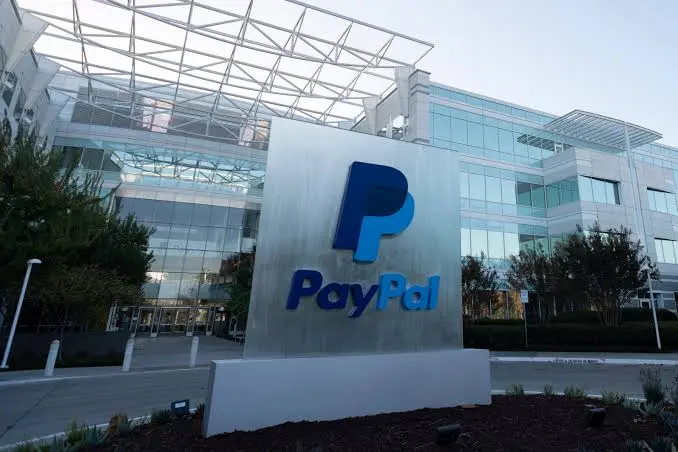

PayPal’s board rejected the initial offer as too low, but the decision has not ended discussions. The latest reports indicate that Stripe, Advent and PayPal remain in talks over a potentially higher price, although no agreement has been reached.
The potential transaction could reshape the global digital-payments industry and have implications for merchants, consumers and fintech companies far beyond the United States.
What happened between PayPal, Stripe and Advent?
In July 2026, Stripe and Advent International submitted an offer to acquire PayPal for $60.50 per share, valuing the company at more than $53 billion.
The proposal reportedly had approximately $50 billion in committed bank financing and represented a premium of about 28% to PayPal’s share price before the offer became public.
However, PayPal’s board viewed the proposal as undervaluing the company.
Reuters reported that the board believed the offer did not adequately reflect PayPal’s potential and that regulatory and financing issues could also complicate the transaction.
The board subsequently rejected the offer.
But instead of completely ending discussions, PayPal and the bidding group continued negotiations over whether Stripe and Advent would increase their proposal. The latest reporting says the parties are discussing a higher price, but there is still no deal.
Why does Stripe want PayPal?
Stripe has become one of the world’s most important payment-technology companies, particularly among online businesses.
Its infrastructure allows companies to accept payments, manage billing and build financial services into their products.
Buying PayPal would give Stripe something it does not have on the same scale: a huge established consumer-facing payments business.
PayPal brings several valuable assets to the table.
1. Venmo
One of the biggest attractions is Venmo, PayPal’s consumer payments platform.
Venmo gives PayPal a strong presence in person-to-person payments and consumer financial services.
For Stripe, acquiring PayPal could therefore provide a direct route into a large consumer ecosystem rather than remaining primarily focused on merchants and businesses.
Reports around the original bid specifically identified Venmo as one of the strategic attractions for Stripe.
2. Braintree
PayPal also owns Braintree, a major payment-processing platform used by online businesses.
Braintree and Stripe operate in overlapping areas, which could create strategic and regulatory complications if the acquisition moves forward.
A combined Stripe-PayPal business would have enormous influence across online payments, from merchants to consumers.
3. PayPal’s global customer base
PayPal has hundreds of millions of active accounts worldwide.
That gives Stripe an opportunity to combine its merchant infrastructure with PayPal’s established consumer network.
The original proposal would bring together two major internet-payment platforms and potentially create a company processing approximately $3.7 trillion in annual payment volume, according to Reuters reporting.
Why is PayPal asking for more money?
PayPal’s board believes the company could be worth more than the initial $53 billion offer.
The company has also been undergoing a major turnaround under CEO Enrique Lores.
PayPal has been cutting costs, reorganising its operations and investing in technology and artificial intelligence as it attempts to improve growth and profitability. Reuters reported that the company expected approximately $400 million in savings during 2026, although the restructuring also carries significant costs.
That turnaround gives PayPal another argument in negotiations:
Why sell now if the company’s performance could improve significantly in the coming years?
At the same time, a takeover offer provides shareholders with an opportunity to receive a substantial premium immediately.
That creates a difficult decision for PayPal’s board.
Venmo could be one of the most valuable pieces
Venmo is particularly important to the negotiations because it gives Stripe something that its traditional business does not provide at the same scale: direct access to consumers.
The potential combination could therefore bring together:
Stripe → merchant infrastructure
PayPal → global consumer payments
Venmo → peer-to-peer and consumer financial services
Braintree → online merchant processing
That combination could create an unusually powerful payments ecosystem.
However, it could also attract significant regulatory scrutiny because Stripe and PayPal already compete in several areas of digital payments.
What about Africa?
For African fintech and online businesses, the potential acquisition is worth watching closely.
PayPal has an established presence in international payments and has been involved in partnerships and initiatives across emerging markets.
Stripe has also expanded its African footprint and provides payment infrastructure to businesses operating in several African markets.
A successful acquisition could therefore affect the way international payments develop across Africa.
For businesses in countries such as Kenya, Nigeria and South Africa, the biggest questions would be whether a combined company:
- Expands payment services
- Introduces new financial products
- Improves cross-border payments
- Expands partnerships with local fintech companies
- Makes it easier for African businesses to sell internationally
- Changes fees or account requirements
- Invests more heavily in African payment infrastructure
The deal could therefore have implications beyond Wall Street.
Why this matters to Kenyan businesses
For Kenyan freelancers, developers, online sellers, agencies and digital entrepreneurs, international payment platforms are increasingly important.
A Kenyan business can work with customers in Europe, North America or other African markets without having a physical presence in those countries.
Payment platforms provide the infrastructure that makes these transactions possible.
That means any major change involving PayPal or Stripe could eventually affect how Kenyan digital businesses receive international payments.
For example, changes to:
- Payment fees
- Currency conversion
- Account verification
- Merchant onboarding
- Withdrawal options
- Cross-border transactions
- Payment settlement times
could have a direct effect on online businesses.
This is why the potential PayPal acquisition is worth following in Kenya.
The deal could face regulatory challenges
Even if PayPal and the bidders agree on a price, the transaction would not necessarily be completed immediately.
A combination of two major payment companies would likely receive close regulatory attention.
One concern would be competition.
Stripe and PayPal already compete in online payment processing. Bringing them together could potentially reduce competition for merchants and businesses.
Regulators could therefore examine whether the combined company would have too much influence over digital payments.
There could also be scrutiny around PayPal’s Braintree business because of its overlap with Stripe’s merchant-processing operations.
PayPal is not simply waiting for a buyer
The takeover discussions are happening while PayPal is attempting to improve the business independently.
The company has been restructuring operations, cutting costs and focusing on areas including branded checkout, Venmo, Braintree and other financial services.
PayPal’s second-quarter 2026 results showed some improvement: revenue increased 5% year over year to about $8.68 billion, while adjusted earnings reached $1.38 per share, according to Reuters reporting. The company also raised its full-year profit forecast.
That performance could strengthen PayPal’s negotiating position because management can argue that the company’s value may increase if the turnaround succeeds.
What happens next?
There are several possible outcomes.
Scenario 1: Stripe and Advent increase the offer
This could bring the two sides closer to an agreement.
A higher price could compensate PayPal shareholders for giving up the company’s future upside.
Scenario 2: PayPal remains independent
If the two sides cannot agree on a price, PayPal could continue with its turnaround strategy.
The company would then have to convince investors that it can create more value independently than the takeover offer provides.
Scenario 3: Another buyer emerges
A high-profile PayPal sale could attract interest from other technology, financial-services or investment companies.
However, there is currently no confirmed competing offer.
Scenario 4: Regulatory concerns derail the deal
Even if the companies reach an agreement, regulators could impose conditions or challenge parts of the transaction.
That could make the final structure very different from the original proposal.
Why the PayPal deal matters to the future of fintech
This potential acquisition is bigger than a simple corporate takeover.
It represents a major shift in the global payments industry.
Traditional banks, fintech companies, technology platforms and payment processors are increasingly competing for the same customers.
Stripe has built its reputation around financial infrastructure for businesses.
PayPal has a powerful combination of consumer payments, merchant services and digital financial products.
Bringing those capabilities together could create one of the most influential companies in global digital payments.
But the price has to be right.
For now, PayPal has made its position clear: the initial $53 billion offer was not enough.
The next move belongs to Stripe and Advent.
What it means for Africa and Kenya
The potential PayPal-Stripe transaction deserves attention from African technology and business communities because digital commerce is expanding rapidly across the continent.
For Kenyan freelancers, e-commerce businesses, software developers, creators and startups, international payment infrastructure can determine how easily they access customers outside the country.
If a combined Stripe-PayPal company invests more heavily in African payment infrastructure, the continent could benefit from improved access to international commerce.
But if the acquisition results in higher fees, reduced competition or fewer local partnerships, the impact could be very different.
For now, nothing is final.
PayPal rejected the original $60.50-per-share offer, while negotiations over a potentially higher proposal continue.
The outcome could become one of the defining fintech deals of 2026.
Frequently Asked Questions
Is Stripe buying PayPal?
Not yet. Stripe and Advent International have made a takeover proposal, but PayPal rejected the initial offer and negotiations over a potentially higher price are continuing.
How much did Stripe and Advent offer for PayPal?
The initial proposal was $60.50 per PayPal share, valuing the company at more than $53 billion.
Why did PayPal reject the $53 billion offer?
PayPal’s board considered the offer too low and believed it did not adequately reflect the company’s value and future potential.
Why does Stripe want PayPal?
The acquisition would give Stripe access to PayPal’s large consumer ecosystem, including Venmo, while also adding PayPal’s merchant and international payments businesses.
What would the deal mean for Kenya?
A successful deal could influence international payments, fintech partnerships, merchant services and cross-border digital commerce used by Kenyan businesses and freelancers.
Conclusion
PayPal’s rejection of the $53 billion Stripe and Advent proposal may be the beginning of negotiations rather than the end of the story.
Stripe wants PayPal’s consumer reach and payment infrastructure. PayPal wants a price that reflects the value it believes it can create through its turnaround.
The biggest question now is simple:
How much will Stripe and Advent be willing to pay?
For Africa, and particularly Kenya’s growing digital economy, the answer could have consequences well beyond the companies involved.
