


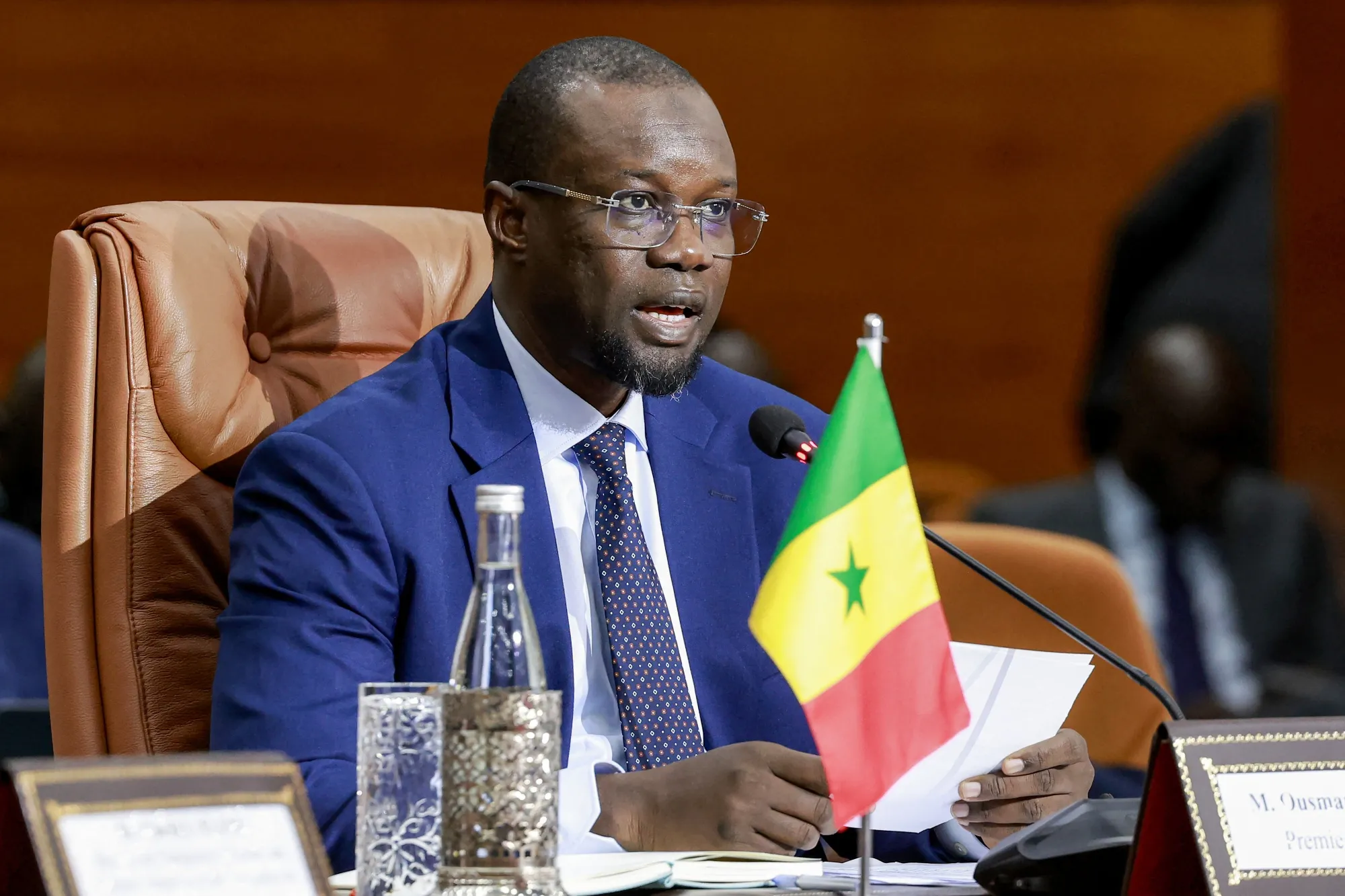
Sonko and Faye rose to power together in the 2024 elections as part of the PASTEF (Pastef) movement. Sonko, a charismatic and popular opposition figure known for his anti-corruption stance and economic nationalism, was a kingmaker who endorsed Faye (who had been jailed) as the presidential candidate. PASTEF holds a strong majority in the 165-seat National Assembly (around 130 seats).
Tensions reportedly escalated over economic policy, governance style, living costs, debt crisis negotiations with the IMF, and possibly Sonko’s own political ambitions. Sonko had been openly critical in parliament shortly before his dismissal.
Quick Facts
- Ousmane Sonko was dismissed as Prime Minister by President Bassirou Diomaye Faye on Friday, May 23 (some reports say the 22nd), along with the entire government, after months of growing tensions between the two former allies.
- On Tuesday, May 26, the National Assembly reinstated Sonko as a lawmaker and then elected him Speaker with an overwhelming 132 votes out of 133 cast (one abstention). The opposition largely boycotted the session.
- He succeeds El Malick Ndiaye, who resigned on Sunday to pave the way.
Potential for Conflict
This creates a cohabitation or divided-executive situation:
- The President (Faye) controls the executive and has already named a new Prime Minister (economist Ahmadou Al Aminou).
- The Speaker (Sonko) controls the powerful National Assembly, which can influence legislation, budgets, and even launch investigations or push for accountability.
Sonko now has a strong institutional platform to challenge or constrain the president while remaining a major political force with grassroots support, especially among youth. Analysts see this as a direct challenge and a source of instability in a country already dealing with debt issues and high expectations for change.
