


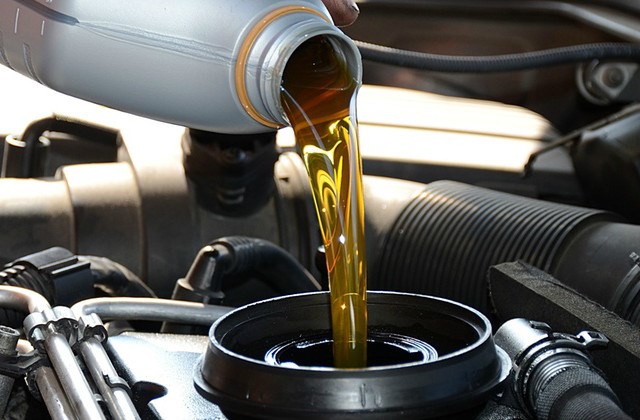
There are three main types of engine oil (also called motor oil) for cars, based on how they’re made:
- Mineral/Conventional Oil
- Made from refined crude petroleum (natural base).
- Cheapest option.
- Good for older engines or basic use, but breaks down faster in heat, forms more sludge, and needs more frequent changes (every 3,000–5,000 km in tough conditions like Nairobi traffic).
- Not ideal for modern small Japanese engines or high-mileage taxi use—can lead to quicker wear in stop-go driving.
- Semi-Synthetic (or Synthetic Blend)
- Mix of mineral oil + synthetic base (usually 30–70% synthetic).
- Better protection than pure mineral: resists heat/oxidation better, cleaner engine, slightly longer intervals (5,000–8,000 km).
- Good middle-ground for taxis—affordable yet performs well in hot Kenyan weather and frequent short trips. Many drivers in Nairobi use this for reliability without full synthetic cost.
- Fully Synthetic
- Lab-engineered (chemically modified base + advanced additives).
- Best performance: Excellent in extreme heat/cold, reduces friction (better fuel economy), keeps engine cleaner longer, lasts longest (7,000–10,000+ km intervals if conditions allow).
- Recommended for newer/modern engines (post-2010 Japanese imports). Protects better during Nairobi’s hot days (30–35°C+) and traffic heat buildup. Downsides: More expensive upfront, but saves money long-term via fewer changes and less wear.
Viscosity Grades (The Numbers Like 5W-30)This tells you the oil’s thickness/flow:
- First number + “W” (Winter): How it flows when cold (lower = better cold start protection).
- Second number: Thickness when hot/engine running (higher = thicker protection in heat).
Common grades for your taxi favorites in Kenya’s hot climate (Nairobi averages 20–30°C, but engines get hotter in traffic):
- 0W-20 or 5W-20 → Very thin/modern (many newer Toyota/Honda/Nissan recommend this for fuel economy). Great if your manual says it, but in very hot/dusty conditions, some mechanics suggest stepping up slightly.
- 5W-30 → Most common/recommended sweet spot for Japanese hatches in Kenya. Flows well cold, protects hot. Ideal for Toyota Vitz, Honda Fit, Mazda Demio, newer Nissan Note.
- 10W-30 or 10W-40 → Slightly thicker—good for older engines or if you drive hard/hot lots. Still popular and widely available.
- 15W-40 → Thicker, often for diesels or very old cars; avoid in small petrol engines (can reduce efficiency/fuel economy).
- 20W-50 → Very thick—only for very old/high-mileage engines with wear; not for your compact taxis (can cause sludge or poor flow).
Recommendations for Nairobi Taxi Cars (Vitz, Fit, Note, Demio, etc.)Always check your owner’s manual first (or the oil cap sticker)—it lists the exact spec (e.g., API SN/SP, ILSAC GF-5/GF-6).
- Toyota Vitz (most common): 5W-30 or 0W-20/5W-30 synthetic/blend. Toyota Genuine or brands like Shell Helix, Mobil 1, Castrol Magnatec, Total Quartz.
- Honda Fit: Often 0W-20 or 5W-30 full synthetic (Honda recommends for efficiency).
- Nissan Note: 5W-30 synthetic (especially hybrids—check if e-Power needs specific).
- Mazda Demio: 5W-30 or 0W-20/5W-30 (SkyActiv engines like thinner for performance).
For taxi use in Nairobi (hot, dusty, short trips, traffic):
- Go semi-synthetic or full synthetic 5W-30 — best balance of protection, fuel savings, and cost.
- Change every 5,000–8,000 km (or sooner if severe conditions—your manual likely says “severe” for urban taxi driving).
- Brands easily available/ trusted in Kenya: Shell Helix Ultra, Mobil Super/Synthetics, Total Quartz, Castrol GTX Magnatec, or Toyota/Honda Genuine if you want OEM. Avoid very cheap no-name oils—they can cause engine issues fast.
Quick tip: When buying, look for API rating (SN or SP for modern petrol cars) and ILSAC GF-5/GF-6 on the bottle. Always use the right amount (usually 3–4 liters for these small engines—check dipstick after filling).Stick to this, and your engine will stay strong for years.
