


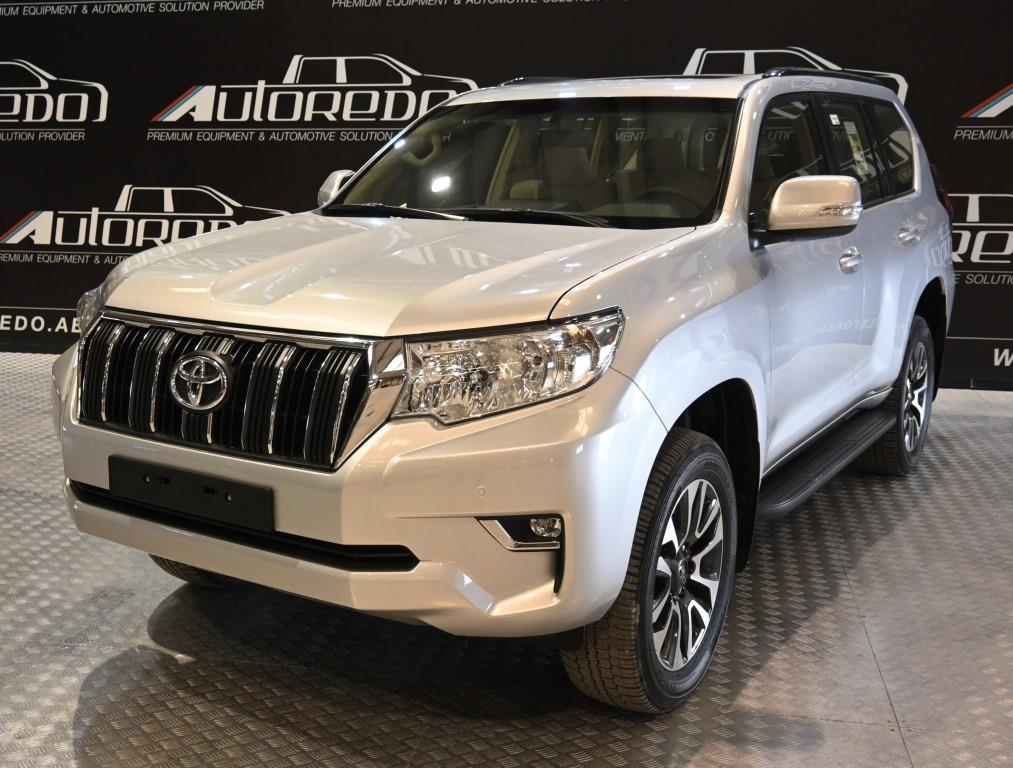
Buying a car in Kenya is a major decision, especially given high import costs, taxes, ongoing ownership expenses, and road conditions. Most buyers opt for imported used cars (often from Japan), though new or locally used vehicles are also options. Here’s a comprehensive guide on key factors to consider in 2026.
1. Define Your Needs and Usage
- Purpose — Daily commute in Nairobi traffic? Family trips? Off-road/rural roads? Rough Kenyan roads favor higher-ground-clearance vehicles like SUVs, crossovers, or reliable sedans (e.g., Toyota, Nissan, Subaru).
- Fuel type — Petrol vs. diesel (diesel often better for long distances but with higher initial taxes in some cases). Hybrids are increasingly popular for fuel savings.
- Size and features — Avoid oversized vehicles if parking/fuel costs matter. Prioritize reliability, fuel efficiency, and spare parts availability (Japanese brands dominate due to easy parts and resale value).
2. Set a Realistic Budget (Including Hidden Costs)
- Purchase price — Used imports often range from KSh 800,000–3,000,000+ depending on model/year.
- Import duties and taxes (for imported cars) — These can add 50–100%+ to the base cost. Key components include:
- Import duty (~25–35% of customs value, depending on updates).
- Excise duty (20–30% based on engine capacity).
- VAT (16%).
- Import Declaration Fee (~3.5%).
- Railway Development Levy (2%).
- Use official KRA tools or calculators for exact figures, as the Current Retail Selling Price (CRSP) list was updated in July 2025 and affects valuations.
- Registration and number plates — NTSA fees vary (e.g., standard plates ~KSh 10,000–20,000+; special/custom higher).
- Insurance — Comprehensive cover is recommended (KSh 50,000–150,000+ annually depending on car value).
- Other ongoing costs — Fuel, maintenance, repairs, parking, NTSA inspection, possible car tracking.
- Total cost of ownership — Many overlook depreciation (cars lose value fast) and unexpected repairs.
Tip — If financing, compare bank loans, dealer finance, or higher purchase. Ensure installments fit your income (lenders check repayment capacity).
3. New vs. Used vs. Imported
- New cars — Warranty, latest features, but much more expensive upfront.
- Used (imported) — Cheaper, but check age restrictions. As of 2026, imports of right-hand-drive vehicles first registered before 2019 are banned (tightened from previous 8-year rule). Vehicles must meet roadworthiness standards.
- Locally used — May avoid some import hassles but check history carefully.
4. Research the Car Thoroughly
- Compare models for reliability, fuel consumption, resale value, and spare parts (Toyota, Nissan, Honda, Subaru often recommended).
- Read reviews, watch recent Kenyan YouTube channels (e.g., on 2026 market trends).
- Avoid models known for high repair costs or poor resale in Kenya.
5. Inspection and Verification.
- Pre-purchase inspection (PPI) — Hire an independent mechanic or service (e.g., via garages or companies like Autokonnekt). Check:
- Engine, transmission, suspension, brakes.
- Mileage verification (odometer tampering common).
- Rust, accident damage, chassis issues.
- Electrical systems, interior condition.
- Legal checks:
- Logbook (original, genuine).
- NTSA portal verification (no outstanding loans, no theft reports).
- Import documents if applicable (clearing agent receipts).
- Sale agreement (signed, stamped by lawyer; keep seller’s ID/KRA PIN copies).
6. Where to Buy
- Reputable dealers or importers.
- Online platforms.
- Avoid private sellers without full checks.
7. Additional Tips
- Don’t rush — negotiate hard; research market prices.
- Consider resale value — popular models hold value better.
- Test drive multiple times (in traffic, highway).
- If importing yourself, use a licensed clearing agent and check latest KRA/NTSA rules (they change periodically).
By addressing these areas, you’ll avoid common pitfalls like buying a “lemon” or underestimating costs. If you’re eyeing a specific model or budget, provide more details for tailored advice.
