

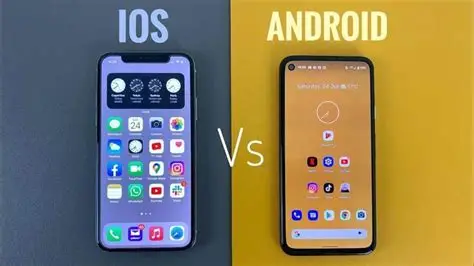
The main differences between iPhone (running Apple’s iOS) and Android phones come down to hardware variety, software philosophy, ecosystem, customization, updates, and user experience. As of early 2026 (with iOS 26 and Android 16 being current), the two platforms are closer than ever in features, but they still feel quite different in daily use.
Here’s a clear breakdown of the key differences:
| Category | iPhone (iOS) | Android phones | Winner/Notes (2026 context) |
|---|---|---|---|
| Operating System & Ecosystem | Closed, tightly controlled by Apple. Seamless integration with Mac, iPad, Apple Watch, AirPods, etc. (e.g., universal clipboard, Continuity, AirDrop) | Open platform used by many brands (Samsung, Google Pixel, OnePlus, etc.). Better integration with Google services and Windows PCs in some cases | iPhone usually wins for Apple users; Android for Google/Windows users |
| Hardware Variety | Only Apple makes iPhones → limited models (e.g., iPhone 17 series) | Huge range: budget ($100–300), mid-range, foldables, massive batteries, experimental designs from Samsung, Google, Xiaomi, etc. | Android – far more choice |
| Customization | Limited home screen tweaks, widgets, and themes. Very consistent look | Extremely customizable: launchers, icon packs, always-on displays, material you theming, sideloading apps | Android dominates |
| Software Updates | Excellent: 6–8+ years of full OS & security updates, very consistent across all supported devices | Varies hugely: Google Pixel & Samsung flagships now offer 7 years; many cheaper Androids get 2–4 years | iPhone still more reliable long-term |
| Performance & Optimization | Super-smooth, efficient chips (e.g., A19 series). Apps feel polished due to uniform hardware | Flagships (Snapdragon 8 Elite, etc.) often match or beat iPhone in raw power/benchmarks; some feel less optimized | Tie or slight Android edge in raw power; iPhone in real-world smoothness |
| AI Features | Apple Intelligence is polished and privacy-focused | More experimental & versatile generative AI tools (e.g., Google’s Gemini features often ahead) | Android slightly ahead in cutting-edge AI |
| Privacy & Security | Strong emphasis on on-device processing & App Tracking Transparency | Improved a lot, but varies by manufacturer; more sideloading risks | iPhone generally seen as stronger |
| App Store & Apps | App Store is stricter → higher quality & revenue per user. Some apps arrive first or get exclusive features | Google Play + sideloading. More free/pirated options, but occasional quality variation | iPhone for premium apps & developers; Android for flexibility |
| Camera | Very consistent, excellent video, natural processing | Varies: some Androids (Pixel, Samsung) excel in specific areas like zoom or low-light | Tie – depends on model |
| Price Range | Premium only (starts ~$799 for base models) | From very cheap to ultra-premium. Better value in mid-range | Android for budget/value |
| Battery & Charging | Good & consistent; MagSafe wireless | Often larger batteries; faster wired charging common (e.g., 65W+) | Android usually wins on capacity & speed |
| Market Share (global) | ~27–28% | ~72% | Android dominates worldwide |
Quick Summary – Which Should You Choose?
- Choose iPhone if you want:
- A simple, polished, reliable experience
- Long-term software support without thinking about it
- Deep integration with other Apple products
- Strong privacy focus and premium feel
- Choose Android if you want:
- More choices in design, size, features, and price
- Heavy customization and tinkering
- Cutting-edge AI experiments or foldable/unique hardware
- Better value or specific features (e.g., bigger battery, faster charging)
In 2026, the gap has narrowed dramatically — switching between them is easier than ever with built-in transfer tools — but your choice still largely depends on whether you prefer Apple’s controlled garden or Android’s open playground.What matters most to you (price, camera, ecosystem, customization…)?
