


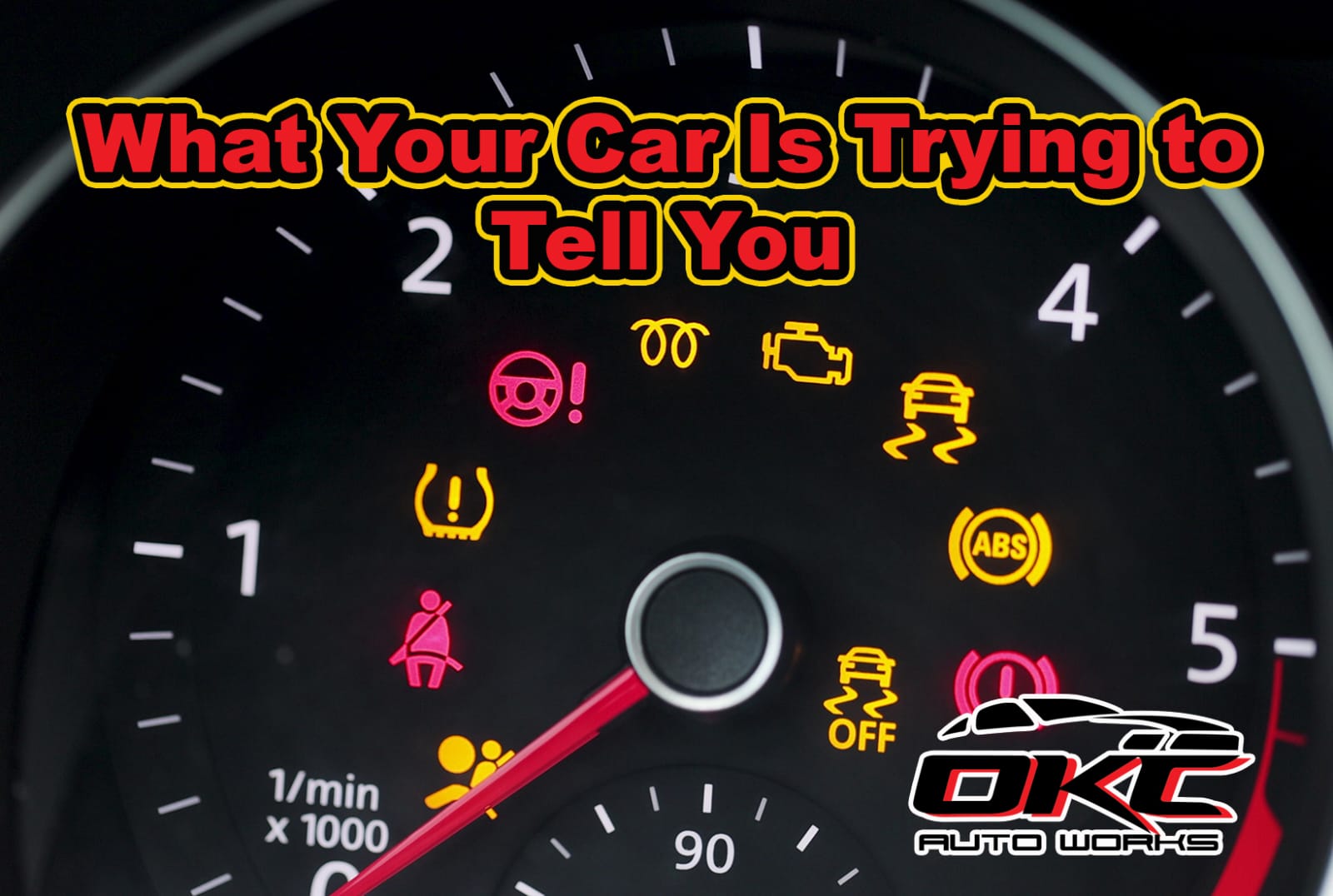
Your car often gives clear warning signs when something is wrong, and catching them early can prevent minor issues from turning into expensive repairs or safety hazards. Here are the most common and critical signs of car trouble, grouped by category:
These are your car’s built-in alerts—don’t ignore them!
- Check Engine Light (solid or flashing): Indicates issues with the engine, emissions, sensors, or fuel system. A flashing light often means a serious misfire that needs immediate attention.
- Oil Pressure Warning: Low oil pressure—stop driving soon to avoid engine damage.
- Temperature Gauge High / Overheating Light: Engine overheating (steam, burning smell, or high reading).
- Brake Warning Light: Low brake fluid, worn pads, or ABS issues.
- Battery / Alternator Light: Charging system problems.
- Other lights (e.g., tire pressure, ABS, airbag) should also prompt a check.
If any light comes on, get it diagnosed (many auto shops offer free scans).
2. Unusual Noises
Sounds are one of the easiest ways your car “talks” to you.
- Squealing or grinding when braking → Worn brake pads or rotors (safety risk—get checked ASAP).
- Knocking, ticking, or rattling from the engine → Could be low oil, bad bearings, or timing issues.
- Squealing under the hood → Loose or worn serpentine belt.
- Grinding or whining during turns/acceleration → Transmission, wheel bearings, or steering problems.
- Hissing or popping → Exhaust leak or vacuum issue.
3. Strange Smells
Your nose can detect problems words can’t describe.
- Burning oil smell → Oil leak onto hot engine parts.
- Sweet smell (like maple syrup) → Coolant leak (often with overheating).
- Rotten eggs / sulfur → Catalytic converter issue.
- Burning rubber or plastic → Overheated brakes, slipping clutch, or electrical short.
- Gasoline smell → Fuel leak (very dangerous—stop driving and get help).
4. Performance and Handling Issues
How the car feels and drives changes noticeably.
- Stalling, rough idling, or hesitation when accelerating → Fuel system, spark plugs, or sensor problems.
- Loss of power / sluggish acceleration → Engine, transmission, or exhaust restrictions.
- Vibrations or shaking (especially at certain speeds) → Unbalanced tires, bad wheel bearings, or alignment issues.
- Pulling to one side → Tire wear, alignment, or brake problems.
- Hard starting or frequent jump starts needed → Battery, alternator, or starter issues.
5. Visible or Physical Signs
Check these regularly.
- Fluid leaks under the car → Oil (black/brown), coolant (green/pink/orange), transmission fluid (red), brake fluid (clear/yellowish). Puddles mean trouble.
- Smoke from exhaust or engine bay → White (coolant), blue (oil burning), black (fuel-rich mixture).
- Reduced fuel efficiency → Sudden drop in mileage often signals engine or sensor issues.
Quick Tips:
- Pull over safely and stop driving if you see smoke, smell burning strongly, hear severe knocking, or notice brake/steering failure—these are emergencies.
- Regular maintenance (oil changes, tire checks, fluid levels) prevents many problems.
- In Kenya (based on your location), common issues might include dust affecting air filters, rough roads wearing suspension/tires faster, or fuel quality problems—keep an eye on those.
If you’re noticing any of these with your car right now, describe the symptoms (e.g., noise type, when it happens, any lights on), and I can help narrow it down further! Better to get it checked at a trusted mechanic soon.
