


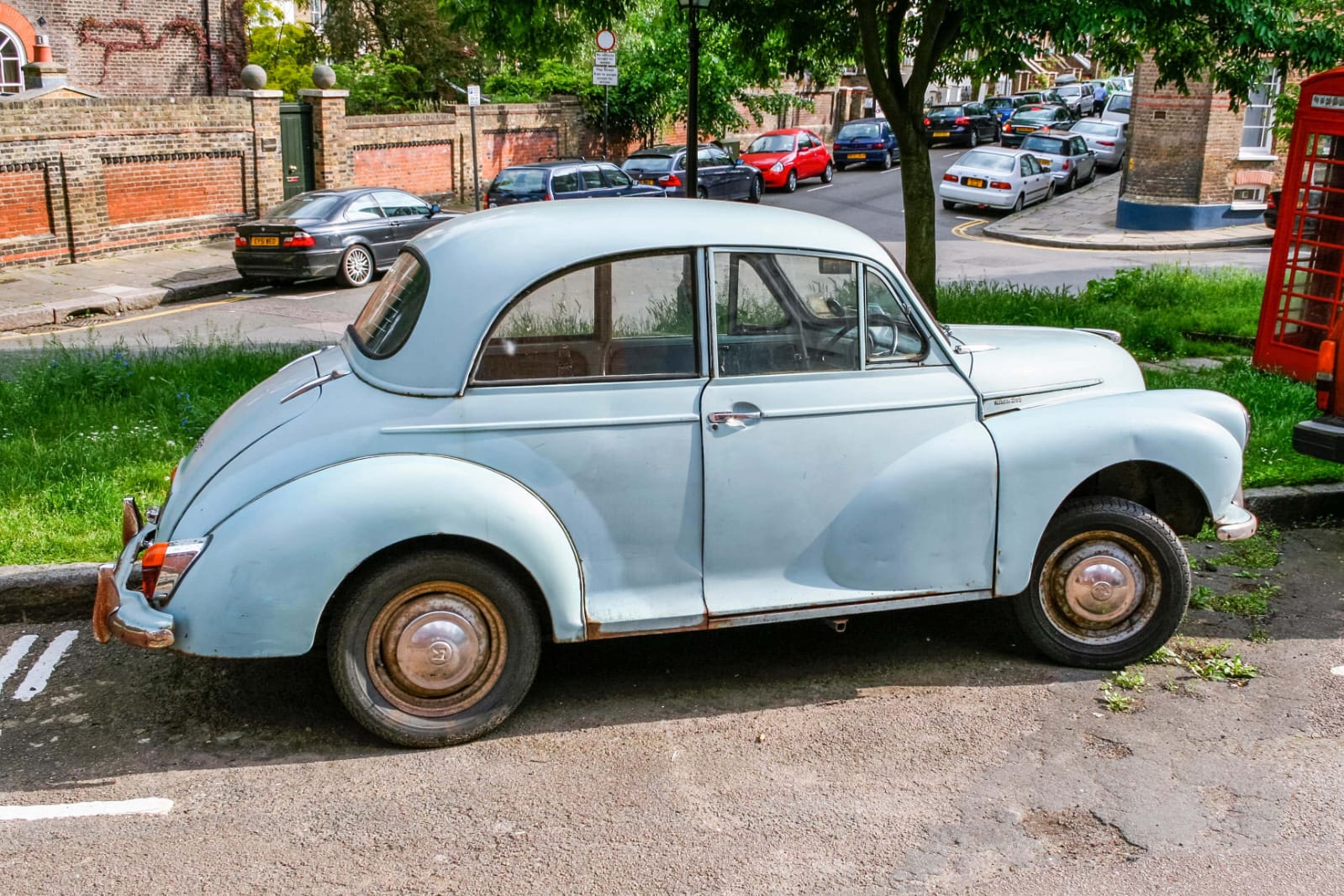
Keeping a car for 10 years (or longer, often 200,000+ km/miles) is very achievable with consistent care. Modern vehicles from reliable brands (like Toyota, Honda, or similar) routinely last 15–20+ years when maintained properly. The key is preventive maintenance, gentle driving, and addressing small issues early—before they become expensive failures.
Here’s a practical, step-by-step guide tailored for long-term ownership:
1. Follow Your Owner’s Manual Maintenance Schedule Religiously
This is the single most important rule. Your manual has a tailored schedule based on your driving conditions (normal vs. severe—short trips, dusty roads, hot climate like in Kenya count as severe and need more frequent service).
- Stick to it for oil changes, filters, fluids, belts, timing chain/belt (if applicable), spark plugs, etc.
- Many cars now have “lifetime” fluid claims, but change transmission fluid, coolant, brake fluid, and differential oil around 100,000–150,000 km for longevity.
2. Change Engine Oil & Filter Frequently Oil is the lifeblood of the engine.
- Use the correct viscosity and quality (synthetic if recommended).
- Change every 5,000–10,000 km (or sooner in severe conditions/hot climate).
- Many experts recommend 5,000–8,000 km intervals for maximum engine life.
- Always check oil level monthly (as we discussed earlier).
3. Keep All Fluids Topped Up and Fresh Low or dirty fluids kill components fast.
- Coolant/antifreeze → Flush/replace every 5–10 years or per manual (prevents overheating/corrosion).
- Transmission fluid → Change every 60,000–100,000 km.
- Brake fluid → Flush every 2–3 years (absorbs moisture, prevents corrosion).
- Power steering, differential, transfer case (if AWD/4WD) → Check/change as needed.
- Top off windshield washer fluid regularly.
4. Tire Care & Alignment Tires affect safety, fuel economy, and suspension wear.
- Check pressure monthly (use door sticker PSI).
- Rotate every 8,000–10,000 km.
- Balance & align yearly or after hitting potholes.
- Replace when tread is low (before 4/32 inch) or tires are 6–10 years old (even if tread looks okay—rubber degrades).
- Buy quality tires; cheap ones wear faster and handle poorly.
5. Brakes, Suspension, and Steering These wear faster in rough conditions or with aggressive driving.
- Inspect pads/rotors every 10,000–20,000 km.
- Replace in pairs (front or rear) for even braking.
- Listen for noises; feel for vibrations (as we talked about earlier).
- Check shocks/struts, bushings, ball joints around 100,000 km—replace when worn to avoid bigger damage.
6. Drive Gently & Smartly How you drive matters as much as maintenance.
- Warm up the engine gently for 30–60 seconds before driving hard.
- Avoid jackrabbit starts, heavy braking, and high RPMs when cold.
- Minimize short trips (they don’t let the engine/transmission reach full temperature).
- Use parking brake instead of leaving in gear on hills.
- Don’t overload or tow beyond limits.
7. Protect Against Rust & Corrosion (Especially Important in Humid/Rainy Areas)Rust can end a car’s life early.
- Wash regularly (undercarriage too) and wax 2–4 times a year.
- Apply underbody rust protection if available.
- Park in shade/garage when possible.
- Clean salt/mud off quickly after rainy seasons or off-road.
8. Battery, Belts, Hoses, and Electrical Small items fail over time.
- Test battery every 2–3 years (most last 3–5 years).
- Replace serpentine belt around 100,000 km or if cracked.
- Inspect hoses for cracks/soft spots.
- Replace air & cabin filters regularly (dirty ones strain engine/AC).
9. Address Issues Immediately Don’t ignore:
- Warning lights (check engine, oil pressure, etc.).
- Strange noises, vibrations, leaks, or smells.
- Pulling to one side, hard starting, rough idle. Early fixes are cheap; waiting turns them into major repairs.
10. Keep Records & Use Quality Parts
- Log every service (date, mileage, what was done).
- Use OEM or reputable aftermarket parts/fluids (avoid the cheapest options).
- Find a trustworthy mechanic you can build a relationship with.
Realistic Expectations for 10+ Years
- Aim for 15,000–25,000 km per year → 150,000–250,000 km in 10 years.
- With good care, many cars reach 300,000+ km without major engine/transmission work.
- Budget for increasing repairs after 8–10 years (suspension, exhaust, AC, etc.), but preventive care keeps costs down.
Start today: Grab your owner’s manual, note the next service due, and check fluids/tires this weekend. You’ve already got a head start by asking about vibrations and oil—keep that habit going.
