


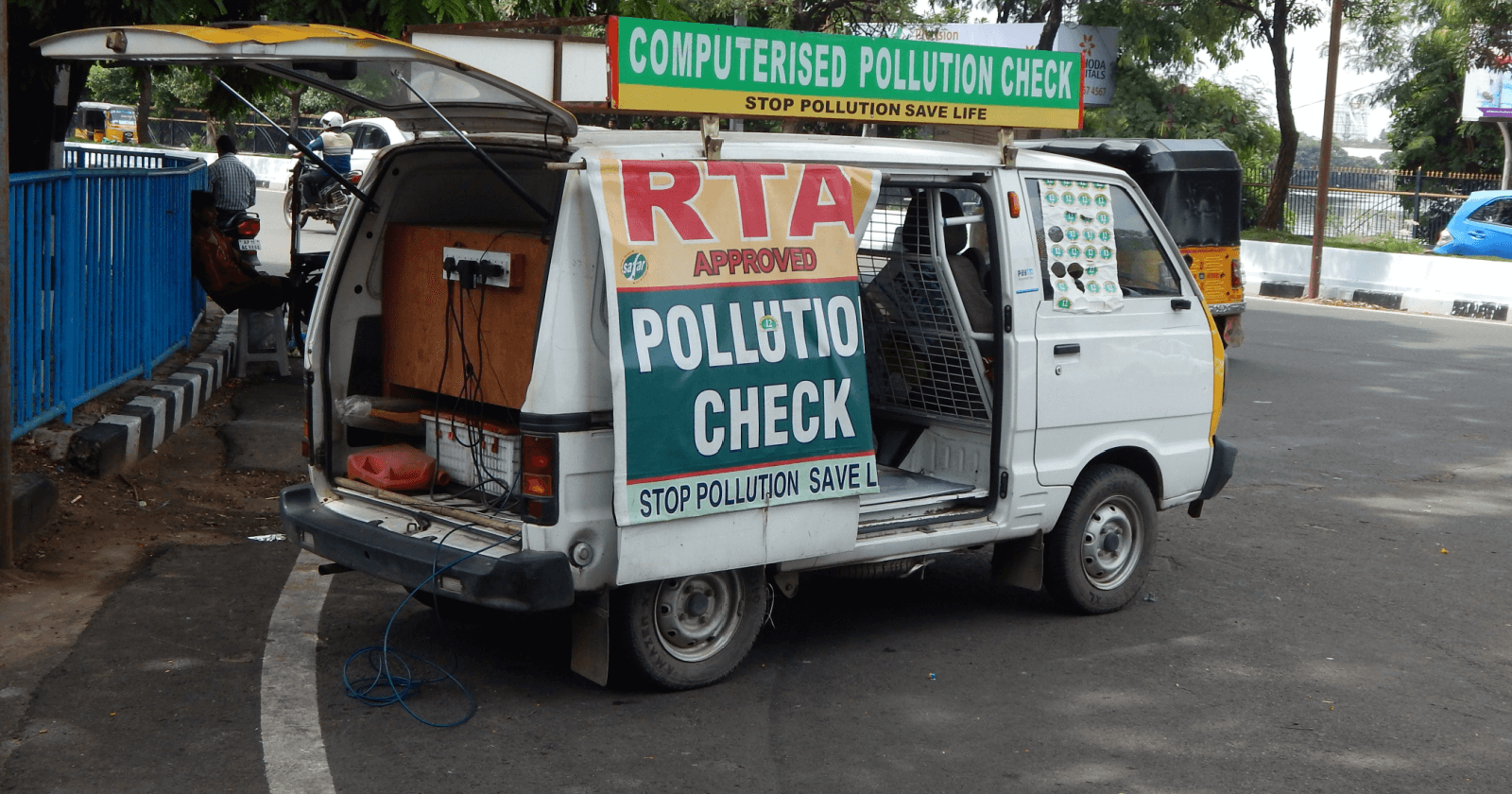
Maintaining your vehicle’s PUC validity has become more important than ever, especially in Delhi-NCR where enforcement has tightened during pollution spikes. The GRAP-IV restrictions in December have brought stricter checks to the national capital, with reports indicating that vehicles without a valid PUC are being denied fuel at petrol pumps. There have also been indications that the “No PUC, No Fuel” approach may continue beyond GRAP-IV.
Thus, as authorities rely more on digital records to verify compliance, knowing how to check your PUC status online can help you avoid fines or inconvenience during daily commutes.
What is PUC?
PUC, short for Pollution Under Control, is a mandatory emission certificate that is issued after a vehicle undergoes an emission test at an authorized center. It confirms that the vehicle’s exhaust emissions are within the authorized limits.
For most private vehicles, a PUC certificate is typically valid for a period of one year, although validity may vary depending on the vehicle’s age and fuel type. The certificate includes details such as the vehicle registration number, emission readings, date of issue, and expiry date.
Why a Valid PUC is Important
A valid PUC is legally required to drive on Indian roads. Operating a vehicle with an expired or missing certificate can attract fines under the Motor Vehicles Act and may also invalidate insurance claims in certain situations. In pollution-sensitive regions like Delhi-NCR, enforcement becomes stricter during smog episodes, with authorities conducting spot checks and, in some cases, restricting fuel refills for non-compliant vehicles.
Beyond legal consequences, an up-to-date PUC also ensures that your vehicle is not contributing excessively to air pollution, aligning with broader environmental and public health goals.
PUC Validity Status Check: Via PUCC Portal
This is the most direct official option to view your certificate details online. The Parivahan PUCC portal has a dedicated “PUC Certificate” page where you can fetch your PUC details using your vehicle information.
- Open the Parivahan PUC Certificate page
- Enter your vehicle registration number
- Enter the last 5 characters of the chassis number and fill the captcha
- Click on ***PUC Details*** to view validity and related certificate information
PUC Validity Status Check: Via mParivan App
- Open the mParivahan app on your Android or iOS device and sign in using your credentials
- Add your vehicle using the registration number if it isn’t already listed
- Tap on the option which mentions Vehicle on the home page and select PUCC from the dropdown menu
- Search via the vehicle number, open the vehicle profile and look for the PUCC/PUC section to view validity details
PUC Validity Status Check: Via Companion Apps
Some automakers such as Maruti Suzuki bundle vehicle-related services into their companion apps, as part of the connect car experience. A few of them also store ownership-related documents, such as the vehicle’s RC, insurance details, and PUC certificate.
- Open your car maker’s companion app, such as the Maruti Suzuki app and log in via your credentials
- Go to the My Vehicle section and look for PUC/ PUCC option
- Tap on it to view the PUC certificate, including date of issuance, expiry date, and certification number
